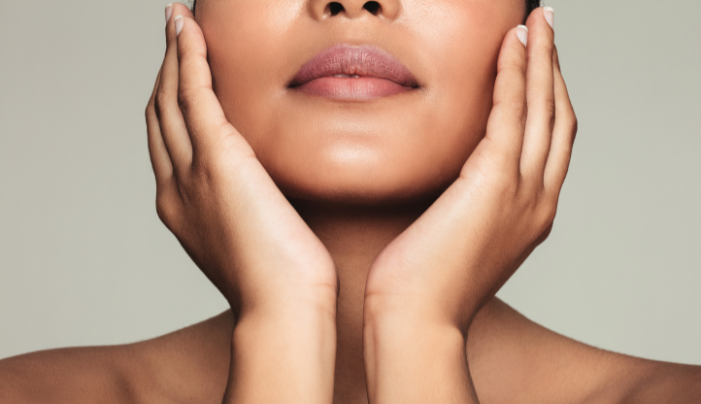


Restoring Youthful Harmony


When it comes to reducing the appearance of wrinkles, many people are curious not only about the treatments themselves but also the science that makes them effective. From wrinkle softening to advanced skin therapies, wrinkle softening is rooted in medical research and a deep understanding of how our skin ages. Let’s take a closer look at what’s happening beneath the surface and why skin therapies deliver real results.
Why Wrinkles Form
As we age, our skin undergoes several natural changes:
- Collagen and elastin loss – These proteins give our skin structure and elasticity. Over time, their production slows, leaving skin thinner and less resilient.
- Reduced hyaluronic acid – This natural substance helps the skin stay hydrated and plump. Declining levels lead to dryness and fine lines.
- Repetitive facial movements – Smiling, frowning, and squinting create dynamic lines which eventually become permanent.
- Environmental factors – Sun exposure, pollution, and smoking accelerate skin ageing through free radical damage.
These combined effects result in wrinkles, sagging, and uneven skin texture.
How Wrinkle Softening Works
Modern treatments target the underlying causes of ageing rather than simply masking the surface. Some of the most effective methods include:
1. Wrinkle Softening
These treatments use a purified protein to temporarily relax the muscles that cause expression lines. By preventing repetitive contractions, the skin has a chance to smooth out, reducing the appearance of frown lines, forehead creases, and crow’s feet.
- Science in action: The protein blocks nerve signals to the muscle, creating a temporary “pause” in movement.
- Result: A softer, refreshed appearance without affecting natural facial expressions when performed by a skilled professional.
2. Volume Loss
Volume replacements restore lost volume using substances such as hyaluronic acid, which naturally exists in the body.
- Science in action: Hyaluronic acid attracts and binds to water molecules, increasing skin hydration and restoring plumpness.
- Result: Immediate smoothing of deeper wrinkles, such as nasolabial folds (smile lines), and natural contouring of areas like the cheeks and lips.
3. Collagen-Stimulating Treatments
Beyond immediate results, some therapies are designed to boost the body’s own collagen production.
- Science in action: Techniques such as microneedling, biostimulatory or energy-based treatments create controlled micro-injuries that trigger the skin’s healing response.
- Result: Firmer, smoother skin over time as new collagen fibres rebuild strength and elasticity.
The Future of Wrinkle Science
Advances in aesthetic medicine continue to evolve. Research is focusing on regenerative approaches such as stem-cell based therapies, bioengineered fillers, and treatments that combine hydration with cellular repair. The aim is not only to smooth wrinkles but to improve overall skin health for long-lasting radiance.